Description




Federal law sets the floor. Texas can demand more. This guide gives you both.
You’ve got seconds to decide. Can you search the car? Pat him down? Walk through that door? Make the
wrong call and it won’t matter how good the arrest was — the evidence gets suppressed, the suspect walks,
and you may be the one explaining yourself in civil court.
Search and seizure is where solid police work quietly comes apart. Not because officers don’t know the
Fourth Amendment matters, but because the rules are scattered across decades of shifting court decisions —
and Texas’s courts don’t always follow the federal line.
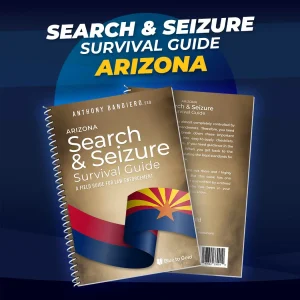
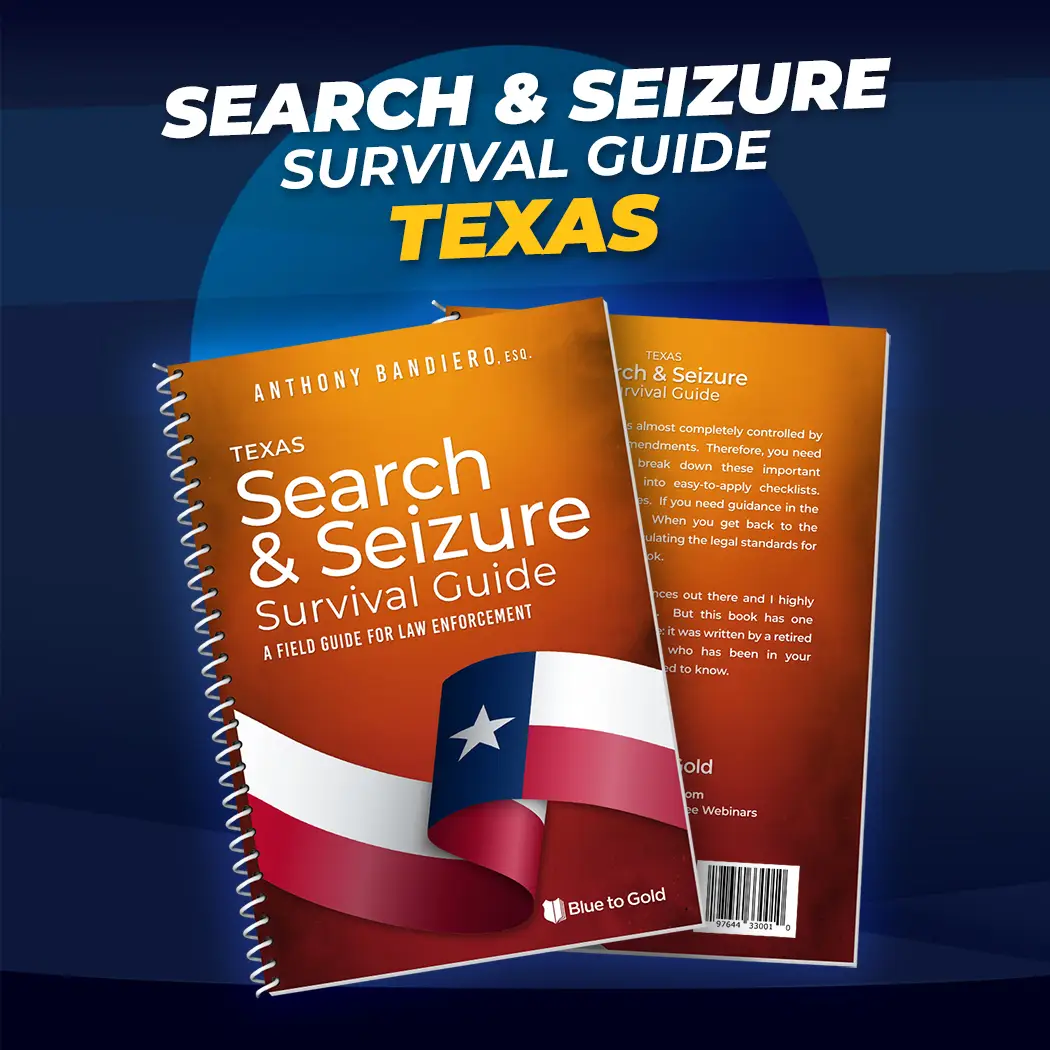
The Texas Search & Seizure Survival Guide puts those rules in one place, in plain English, organized the way
you actually work: by the situation in front of you. Consensual encounters. Detentions and pat-downs.
Arrests. Vehicle stops and searches. Homes, curtilage, and warrantless entry. Phones, drones, GPS, pole
cameras, and license-plate readers. Search warrants. And your liability when it goes wrong. It’s a field guide,
not a law-school text — built to ride in your patrol bag and answer the question you have right now.
Here’s what most training misses: the Fourth Amendment is only the floor. Your state constitution and
Texas’s courts can — and often do — require more of you than federal law does. Follow only the federal rule
and you can still lose the case, or the lawsuit, right here at home. This guide gives you both sides: the federal
standard every officer is taught, plus Texas’s own rules and case law wherever they’re more restrictive — so
you’re working from the law that actually applies to you, not a national average.
Written by Anthony Bandiero — attorney, veteran law enforcement trainer, and founder of Blue to Gold —
after reading thousands of search-and-seizure decisions to find the patterns that decide cases. That
experience is distilled into the Three Golden Rules that run through the book, starting with the one that saves
more cases than any other: the more you can articulate why you did something, the more likely it holds up in
court.
Whether you’re a patrol officer, detective, SRO, field training officer, supervisor, or a recruit still in the
academy, this guide works as both a training resource and a reference you’ll reach for on the street for the
rest of your career. Because the goal isn’t just making the arrest. It’s making the arrest that holds — and
going home without a lawsuit attached to your name
WHAT YOU’LL LEARN
Inside, you’ll find clear, field-ready answers on:
• When an encounter is truly consensual — and the moment it becomes a detention
• What you need to detain, pat down, handcuff, and make a lawful arrest
• Vehicle stops: searches, K-9 sniffs, passengers, inventories, and consent
• Entering a home: warrants, hot pursuit, emergencies, protective sweeps, and curtilage
• Technology: cell phones, GPS trackers, drones, pole cameras, thermal imaging, and license-plate readers
• Schools, businesses, probationers, and other special situations
• How to write and execute search warrants that survive a challenge
• How to document your decisions so they hold up — and keep you out of civil court
• Where Texas law demands more than the Fourth Amendment requires